---
title: "From Crisis to Reform: Brad Richards and Rethinking Mental Health Care"
slug: "250801-advocate-mental-health"
date: "2025-08-01"
author: "Jasmine Sabharwal, Digital Content Contributor"
description: "How one advocate confronts a broken system through hands-on intervention and an urgent push for reform."
tags: ["mental-health", "crisis-intervention", "insurance", "reform"]
readTime: "7 min read"
---
The American mental-health system is riddled with cracks. Families supporting loved ones in crisis meet broken systems, inconsistent providers, and insurance denials at every turn. Nearly **1 in 5 U.S. adults live with a mental illness**, yet over half don’t receive any treatment. For those with serious mental illness, the numbers are worse—more than a third go without care each year.¹ Families face a fragmented system where it can take months to access support, and even longer to find a program that fits.
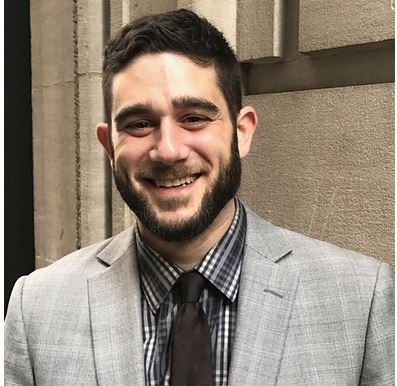 Brad Richards doesn’t just respond to crises—he works to prevent them. or more than 20 years, Richards has helped individuals and families across the country navigate some of the most difficult psychiatric and developmental challenges in the country. Through his company, **[Brad Richards Inc.](https://www.linkedin.com/company/brad-richards-inc/insights/)**, he leads a national network of clinicians, transport specialists, and case managers who guide clients to treatment, steer them through complex systems, and restore a sense of safety and direction.
Although widely known as a *psychiatric interventionist*, Richards prefers *psychiatric preventionist*. That distinction highlights his commitment to proactive, preventative approaches, rather than purely reactive interventions. Real care isn’t just about managing crises—it’s about building systems that stop them from recurring.
## Prevention, Not Panic
Richards is often called into cases that others have deemed impossible: individuals living with schizophrenia, trauma, or developmental conditions who have cycled through hospitals, jails, or treatment centers without lasting support. Many are labeled “treatment-resistant.” He doesn’t see them that way.
Instead, he starts with a deep consultation, often involving families or legal guardians, and builds a coordinated plan. One of his most innovative models is what he calls a **“hospital without walls”**: trained staff provide 24/7 support in a home-like setting while connecting clients to therapy, psychiatry, and behavior management. The result is a safe, flexible environment that avoids institutional trauma and allows healing to begin.
In one case, Richards helped stabilize a former athlete living with schizophrenia who had been rejected from every program. By embedding a support team into a private residence—ensuring round-the-clock care without the trauma and rigidity of traditional hospitalization—Richards successfully prevented further hospitalizations and gave the client a stable foundation for recovery.
## Bridging Systems That Don’t Talk
A key barrier to care is the disconnect among legal, clinical, and developmental systems, which leave families stranded. Richards’s work is effective precisely because he knows how to navigate this tangled web, **bridging gaps** between all of these systems. A board-certified behavior analyst and cognitive behavioral therapist, he’s just as comfortable managing complex court cases as he is guiding clinical care plans.
Early in his career, Richards designed programs for individuals on the autism spectrum—an experience that revealed how siloed services can be. Today he unites therapists, court liaisons, private investigators, and insurance experts into a single, integrated strategy.
While he embraces the use of technology, he knows its limits. “Effective tools will always include a human component—people who understand how to guide families through difficult terrain,” he notes.
## Centering Dignity, Pushing Reform
Richards’s work is personal. He has located missing individuals, helped nonverbal clients learn to communicate, and supported families through suicide recovery and court-mandated care. And he is always thinking of the bigger picture.
Speaking with **Fight Health Insurance**, he highlighted the structural barriers families face—especially **insurance reimbursement**. Even families with strong coverage often pay out-of-pocket for essential services that fall outside institutional molds. He pushes for broader recognition of in-home and nontraditional care models by payers and policymakers alike.
His vision for the future:
- More humane, flexible, preventative systems
- Funding that covers creative, community-based interventions
- Universal access to support *before* crisis strikes
Financial status, he argues, must never determine who receives quality mental-health care.
## Why This Matters
In a system that often waits until people fall apart, Brad Richards offers a roadmap grounded in coordination, compassion, and long-term stability. His integrated approach prevents crises from escalating, helps individuals regain footing, and restores families’ hope.
*Contributing editorial support by Jasmine Sabharwal, Digital Content Contributor*
---
¹ National Institute of Mental Health, 2023.
- URL: https://www.fighthealthinsurance.com/blog/250801-advocate-mental-health/
- Site index for agents: https://www.fighthealthinsurance.com/llms.txt
Brad Richards doesn’t just respond to crises—he works to prevent them. or more than 20 years, Richards has helped individuals and families across the country navigate some of the most difficult psychiatric and developmental challenges in the country. Through his company, **[Brad Richards Inc.](https://www.linkedin.com/company/brad-richards-inc/insights/)**, he leads a national network of clinicians, transport specialists, and case managers who guide clients to treatment, steer them through complex systems, and restore a sense of safety and direction.
Although widely known as a *psychiatric interventionist*, Richards prefers *psychiatric preventionist*. That distinction highlights his commitment to proactive, preventative approaches, rather than purely reactive interventions. Real care isn’t just about managing crises—it’s about building systems that stop them from recurring.
## Prevention, Not Panic
Richards is often called into cases that others have deemed impossible: individuals living with schizophrenia, trauma, or developmental conditions who have cycled through hospitals, jails, or treatment centers without lasting support. Many are labeled “treatment-resistant.” He doesn’t see them that way.
Instead, he starts with a deep consultation, often involving families or legal guardians, and builds a coordinated plan. One of his most innovative models is what he calls a **“hospital without walls”**: trained staff provide 24/7 support in a home-like setting while connecting clients to therapy, psychiatry, and behavior management. The result is a safe, flexible environment that avoids institutional trauma and allows healing to begin.
In one case, Richards helped stabilize a former athlete living with schizophrenia who had been rejected from every program. By embedding a support team into a private residence—ensuring round-the-clock care without the trauma and rigidity of traditional hospitalization—Richards successfully prevented further hospitalizations and gave the client a stable foundation for recovery.
## Bridging Systems That Don’t Talk
A key barrier to care is the disconnect among legal, clinical, and developmental systems, which leave families stranded. Richards’s work is effective precisely because he knows how to navigate this tangled web, **bridging gaps** between all of these systems. A board-certified behavior analyst and cognitive behavioral therapist, he’s just as comfortable managing complex court cases as he is guiding clinical care plans.
Early in his career, Richards designed programs for individuals on the autism spectrum—an experience that revealed how siloed services can be. Today he unites therapists, court liaisons, private investigators, and insurance experts into a single, integrated strategy.
While he embraces the use of technology, he knows its limits. “Effective tools will always include a human component—people who understand how to guide families through difficult terrain,” he notes.
## Centering Dignity, Pushing Reform
Richards’s work is personal. He has located missing individuals, helped nonverbal clients learn to communicate, and supported families through suicide recovery and court-mandated care. And he is always thinking of the bigger picture.
Speaking with **Fight Health Insurance**, he highlighted the structural barriers families face—especially **insurance reimbursement**. Even families with strong coverage often pay out-of-pocket for essential services that fall outside institutional molds. He pushes for broader recognition of in-home and nontraditional care models by payers and policymakers alike.
His vision for the future:
- More humane, flexible, preventative systems
- Funding that covers creative, community-based interventions
- Universal access to support *before* crisis strikes
Financial status, he argues, must never determine who receives quality mental-health care.
## Why This Matters
In a system that often waits until people fall apart, Brad Richards offers a roadmap grounded in coordination, compassion, and long-term stability. His integrated approach prevents crises from escalating, helps individuals regain footing, and restores families’ hope.
*Contributing editorial support by Jasmine Sabharwal, Digital Content Contributor*
---
¹ National Institute of Mental Health, 2023.
- URL: https://www.fighthealthinsurance.com/blog/250801-advocate-mental-health/
- Site index for agents: https://www.fighthealthinsurance.com/llms.txt